











 20 Dec 2025
 Gemmines Author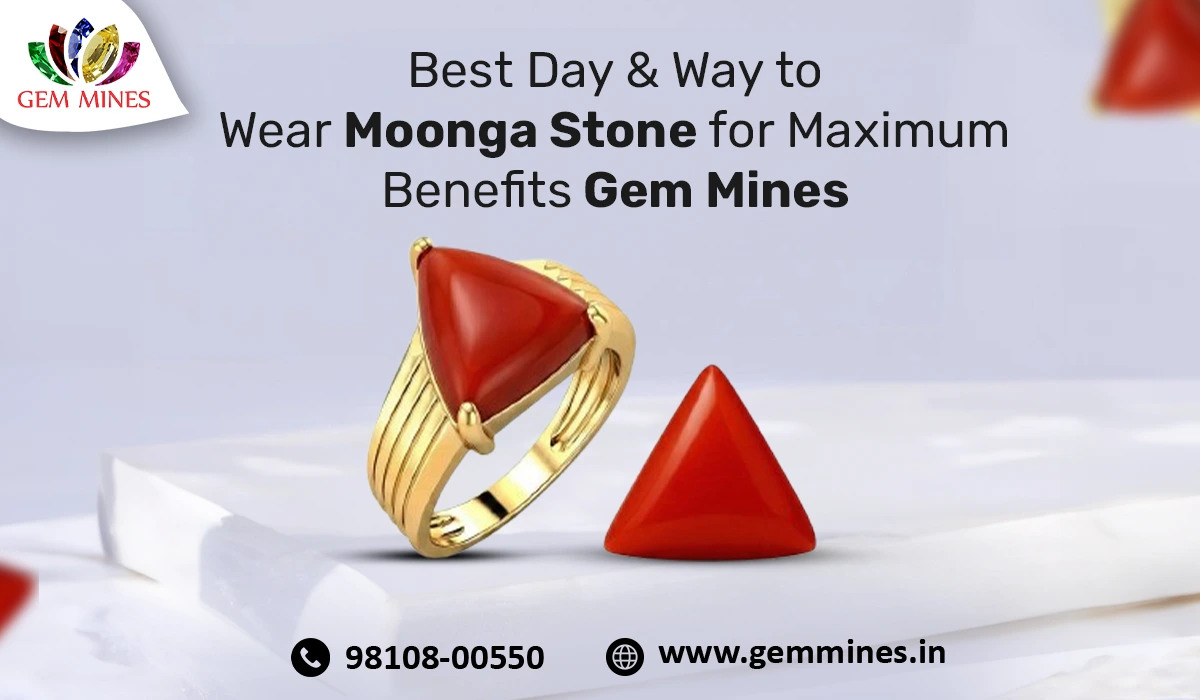
Moonga stone, or Red Coral, has been regarded as an important gemstone in many traditions. It is known for its steady appearance, bright colour, and long history of use in astrology. People often look for guidance on how to wear it correctly because different opinions exist about the day, metal, finger, and method. These details matter, especially when the stone is worn for astrological reasons.
This blog explains everything in a clear and simple manner. It describes what Moonga really is, how it forms, and why it has been respected for generations. It also explains who should consider wearing it, how the stone is traditionally worn, and the common benefits linked to it. A few important precautions are included as well.
Only natural and original Moonga shows its true qualities. Synthetic stones do not provide the same qualities as a natural stone. At Gem Mines, we offer a full range of both natural and lab-certified gemstones which are trusted by consumers seeking an honest, verified source for their stones.
This guide is here to provide consistent, clear, and practical informational resources to help you learn everything that there is to know about Moonga in an easy-going and structured manner.
What is Moonga (Red Coral)?
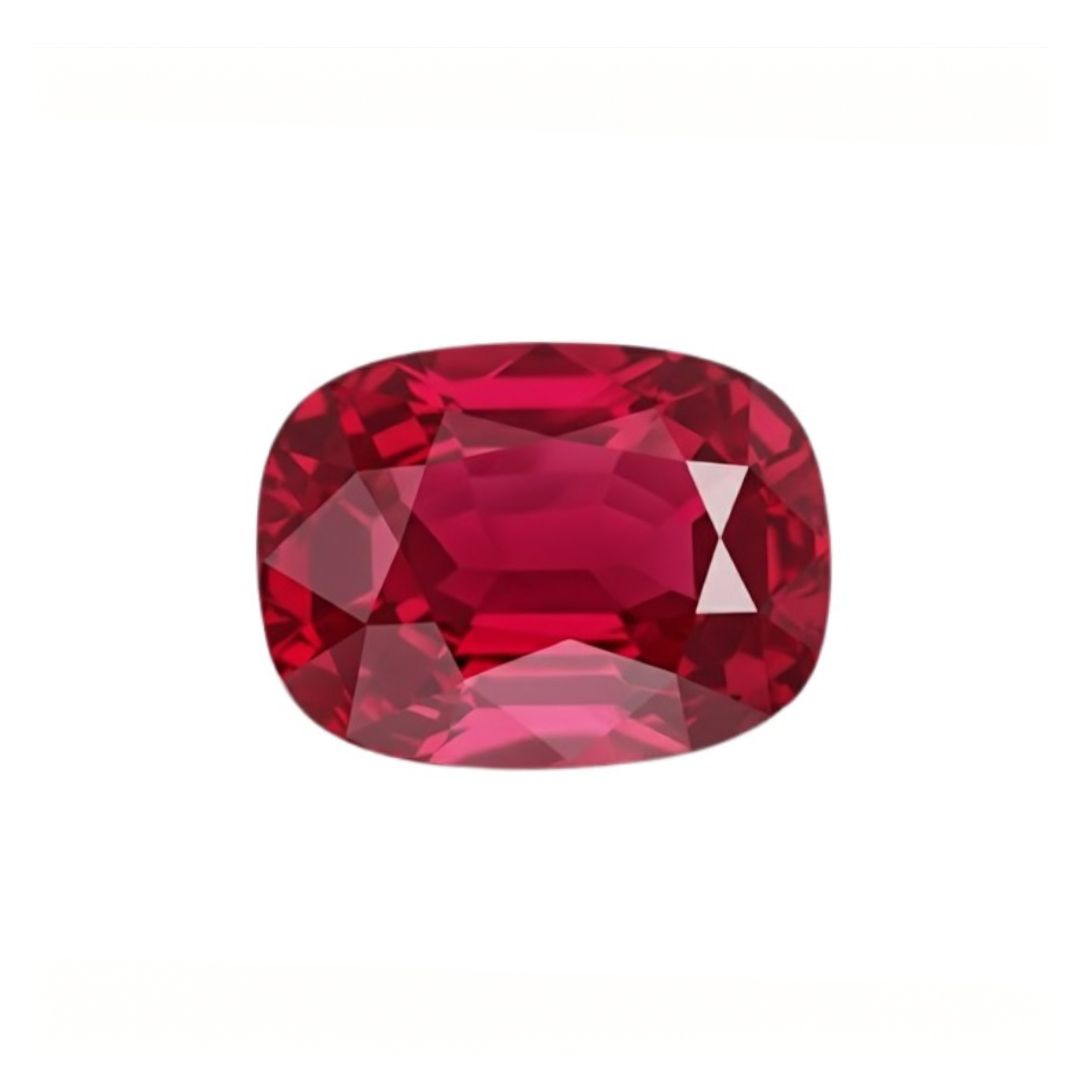
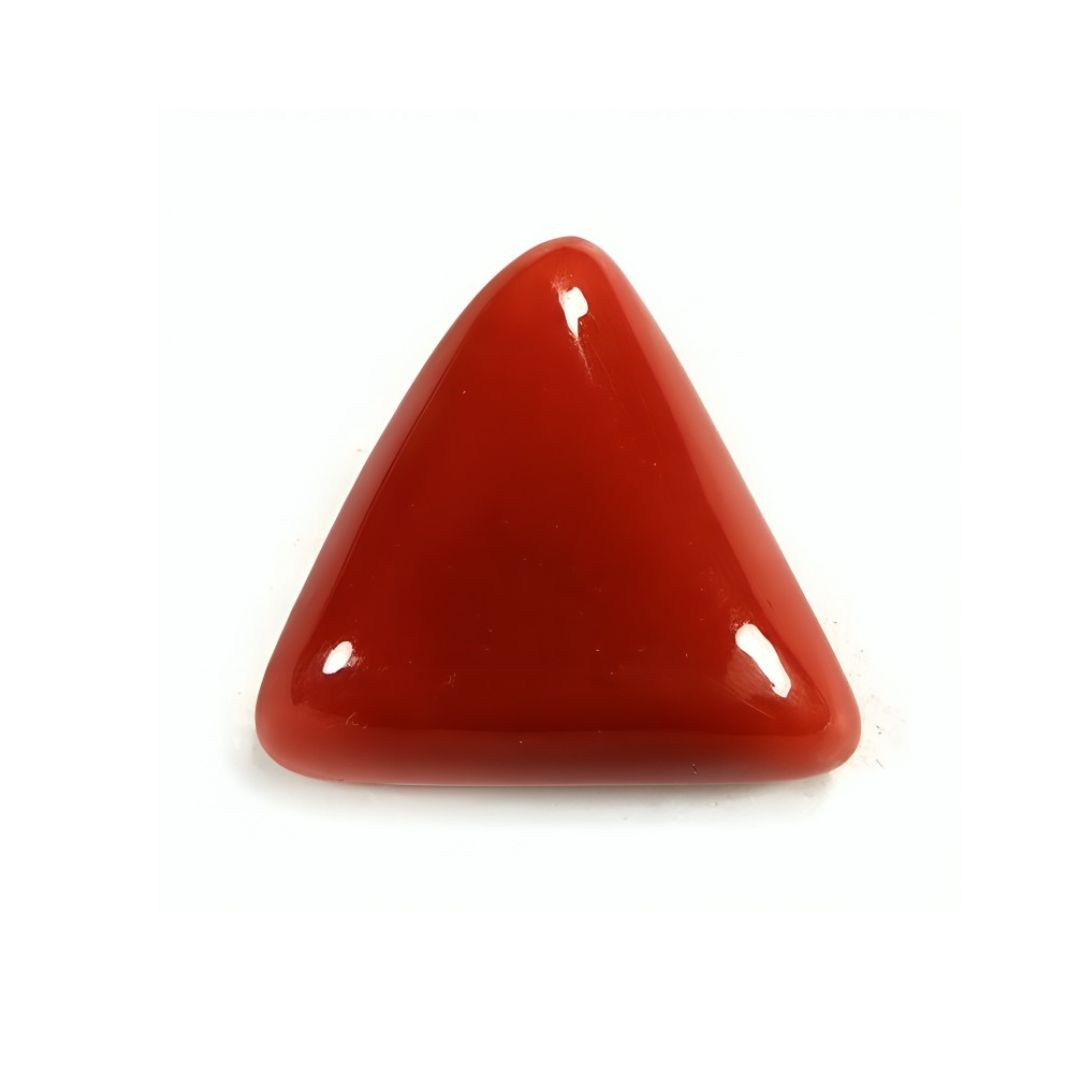
Moonga stone is an organic gemstone formed naturally over many years. It is not mined from deep rocks, unlike most gemstones. Instead, it grows in the sea when small marine organisms create hard skeleton-like structures. Over time, these structures harden and gain their distinct red colour, which is why Moonga stone looks smooth and solid when polished.
Natural Formation
- Red Coral grows in underwater coral forests, especially in areas with calm water. Its formation takes time, and its colour depends on the minerals present in seawater.
- Natural Moonga stone is not perfectly uniform, and tiny internal textures may be seen under light. These natural marks are part of its identity and show that the gemstone has not been made artificially.
Color and Appearance
Moonga stone usually appears in:
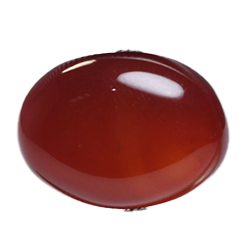
- Deep red
- Bright red
- Brick red
- Reddish-orange
The most preferred colour for astrological purposes is a strong, even red with a natural shine. The surface is polished gently so the stone maintains its natural character.
Traditional Beliefs and Uses
- Red Coral has been worn for many centuries. Many cultures believed it supported courage, steadiness, and clarity.
- Soldiers, travelers, and people in challenging situations used it as a protective stone. Its strong colour was seen as a symbol of strength and vitality.
Astrological Importance
- Moonga stone is associated with Mars in astrology, which symbolises courage, physical ability, determination, vitality, and rational thinking.
- Impaired Mars can result in indecisive behaviour and low self-esteem.
- Using a Red Coral stone helps stabilise Mars energy, enabling courage to increase and stabilise themselves more easily.
Why Natural Moonga is Preferred
- The original seawater structure is preserved by the naturally occurring Moonga; this same structure is not present in dyed and synthetic stones, meaning they do not have the same level of natural energy.
- Natural stones also tend to last longer than dyed or synthetic, as they will retain both their colour and shine.
- The natural and lab-certified Moonga offered by Gem Mines makes it easy for individuals to find a natural stone with the correct properties to suit their astrological needs.
Who Should Wear Moonga?
The suitability of Moonga stone depends mainly on the placement of Mars in the horoscope. It is usually recommended for people whose Mars is weak, confused, or negatively placed.
Common Situations Where Moonga is Recommended
- When a person feels low motivation or finds it difficult to take decisions
- When confidence needs improvement
- When mental strength or focus seems weak
- When physical vitality feels low
- When career or work requires strong determination
- When protection from negative influences is needed
Mars is a planet of action. Moonga stone helps bring the qualities of discipline, clarity, and courage forward when they are needed. Moonga stone should be worn only after proper astrological consultation.
People Who Usually Benefit from It
- Professionals in roles that require problem-solving
- Individuals starting new ventures
- People recovering from setbacks or long periods of inaction
- Those trying to improve leadership qualities
- Individuals facing delays due to weak Mars in the chart
Important Cautions
Moonga stone should not be worn casually.
- If Mars is already very strong in the horoscope, Moonga stone may increase aggression or impatience
- People with sensitive health conditions should consult an expert
- Children should wear Moonga stone only after proper advice
- Pregnant women should avoid it unless an astrologer recommends otherwise
These precautions ensure that the stone supports balance rather than creating unnecessary intensity.
Best Day to Wear Moonga Stone
Traditional Day: Tuesday
Mars is associated with Tuesdays, so Tuesday is the best day to wear the gemstone Moonga stone. If you want to optimize your experience with Moonga stone, wear it in the morning (particularly when there is more quietness) because this is a peaceful time and a good time to activate your gemstone, so you can better concentrate on activating your gemstone.
Time Guidelines
- Wear Moonga stone on Tuesday morning
- Choose a clear and quiet time
- Ensure the mind is stable and calm
Why Timing Matters
Astrological gemstones work best when worn during auspicious planetary periods. Tuesday aligns naturally with Mars, allowing the stone to connect more easily with the desired energy.
Best Way to Wear Moonga
To receive the full benefits of Moonga, the method of wearing it should follow traditional guidelines.
a) Correct Finger
Moonga is usually worn on the ring finger of the right hand. This finger is associated with confidence and decision-making energy.
b) Correct Metal
Gold is the recommended metal for Moonga.
In specific cases, silver or copper may be suggested by an astrologer. Gold, however, remains the most balanced and effective choice because of its warm nature and stable energy flow.
c) Weight and Quality
The ideal weight for Moonga generally falls between 1–3 carats. The stone should be natural, untreated, and smooth. Colour should be clear and uniform. A certified stone is always the safer option because it confirms purity and origin.
d) Activation / Energization Steps
A simple process is traditionally followed:
- Place the ring or pendant in clean water or milk for a short time.
- Keep the stone on a clean cloth afterward.
- Some people quietly recite a small Mars-related mantra to maintain focus.
- Wear the stone in the morning on the recommended finger.
No dramatic steps are required. A calm environment and a steady mind are considered enough.
Simple Comparison Table
| Aspect | Recommendation |
| Best Day | Tuesday |
| Best Finger | Ring finger (right hand) |
| Best Metal | Gold |
| Ideal Weight | 1–3 carats |
| Suitable For | Weak Mars, low confidence, low energy, focus issues |
| Avoid If | Mars is strong, children, sensitive cases without guidance |
Benefits of Wearing Moonga
Moonga supports qualities linked to Mars. These qualities help people in daily routine, work, and personal growth.
Confidence
Red Coral is known for promoting steady confidence. It helps bring clarity in thoughts and reduces hesitation. This support can be useful in practical situations where decisions need to be made regularly.
Energy
The gemstone is believed to strengthen physical and mental energy. It may help people feel more active and less drained, especially during long working hours.
Determination
Moonga helps strengthen the sense of direction and commitment. It supports consistent effort, which is essential for long-term goals.
Protection
Traditionally, Moonga has been viewed as a protective stone. It is believed to guard against negative influences, confusion, or emotional disturbance.
Strength of Mars
Strengthening Mars can help a person stay more disciplined, logical, and courageous. These traits improve action, focus, and overall stability in life.
Importance of Natural & Certified Moonga
Not all stones available in the market are natural. Many are dyed, treated, or artificially made. These stones do not offer the same benefits.
Why Natural Stones Carry Better Energy
- They form gradually in nature
- Their colour and internal structure are original
- They maintain stable energy for a long time
- They do not lose shine or strength easily
Why Certification Matters
Certification confirms:
- Natural origin
- No chemical treatment
- Correct weight
- Proper quality
This ensures that the stone being worn is genuine and suitable for astrological use.
Gem Mines is known for offering natural and lab-certified Moonga, making it a reliable source for authentic gemstones.
Precautions Before Wearing Moonga
A few simple checks help ensure proper use:
- Do not wear Moonga if Mars is already strong
- Avoid stones that are dyed or treated
- Check that the stone has smooth polish but natural texture
- Consult an astrologer before selecting the weight
- Wear it only after cleaning and activation
- Avoid wearing it casually without purpose
These precautions help the wearer achieve steadiness and balance.
Conclusion
Moonga or Red Coral represents Mars energy and has been significant to many cultures for a long period of time. Its deep red hue, formed naturally without any alteration other than the process of extracting from the ocean and polishing, gives the stone a constant appearance. You should wear Moonga on a Tuesday, ideally on your right hand’s ring finger. While the ideal metal for mounting Moonga is gold, you can use additional metals based on individual needs.
Natural and certified stones provide the best experience, as treated stones do not carry the same qualities. Gem Mines offers reliable options for those looking for original and natural Moonga.
When worn correctly and at the right time, Moonga may support confidence, energy, determination, and balance. It stands as a stable and meaningful gemstone for those who need the strength of Mars in their lives.