











 11 Sep 2026
 Gem Mines
Choosing the right gemstone can be confusing, especially when you are considering popular gemstones such as Ruby Stone and Coral Stone. Both are valued for their distinctive appearance and are traditionally associated with astrological significance. However, they differ considerably in colour, composition, origin, quality factors, and price.
If you are planning to buy a gemstone or jewellery piece, understanding the difference between ruby and coral can help you make a more informed decision.
What Is Ruby Stone?
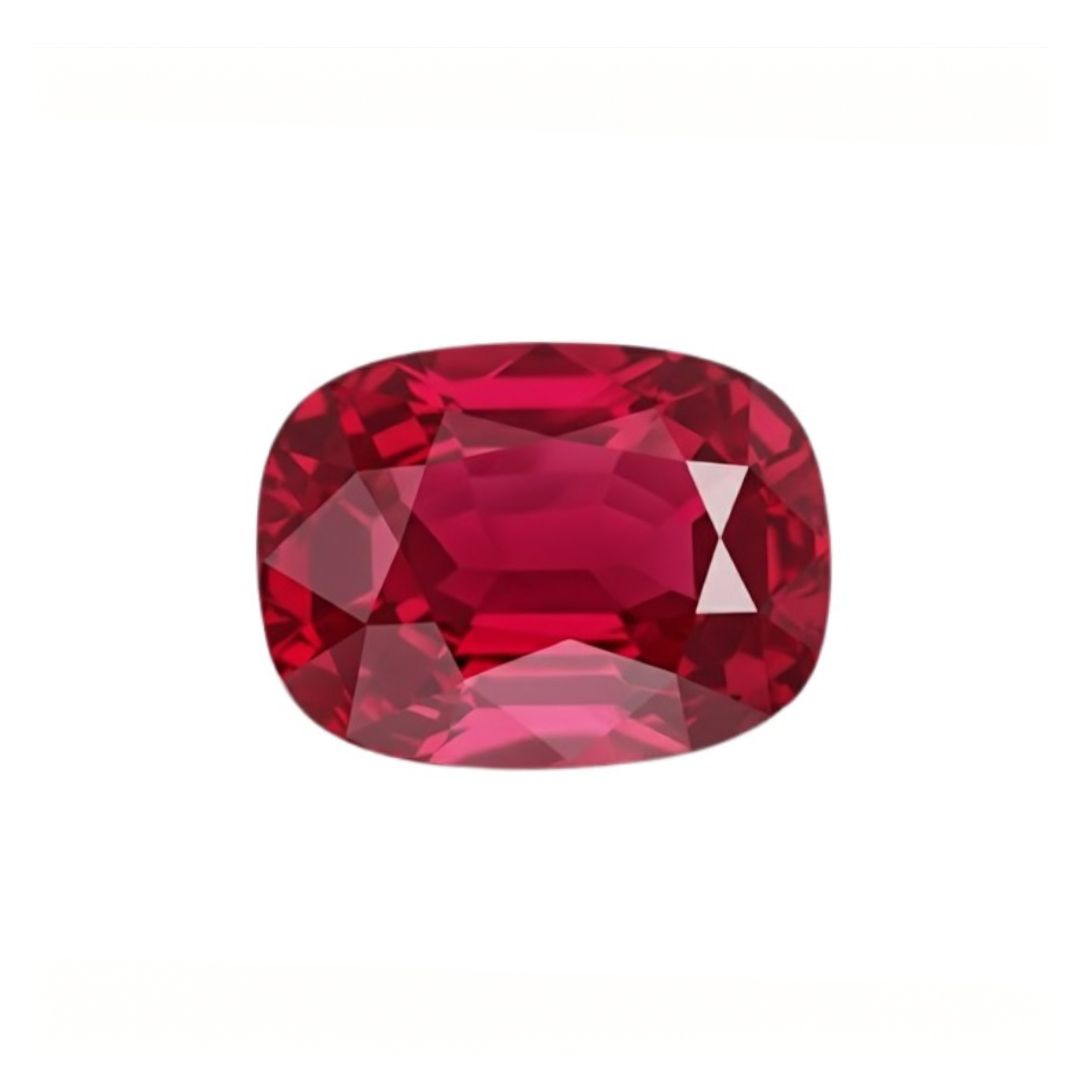
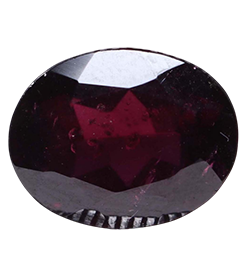
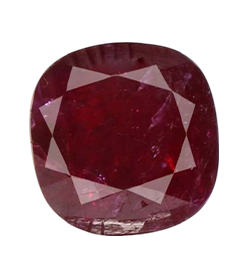
Ruby is a precious gemstone and a variety of the mineral corundum. Its characteristic red colour comes primarily from chromium. Natural rubies can range from pinkish-red to deep, vivid red, with colour being one of the most important factors affecting their value.
Ruby Stone is traditionally associated with the planet Sun in Vedic astrology. It is often selected for jewellery such as rings and pendants.
A ruby stone ring for men is commonly designed with a simple, sophisticated setting, while a ruby stone ring for women may feature more elaborate designs, diamonds, or other gemstones.
What Is Coral Stone?
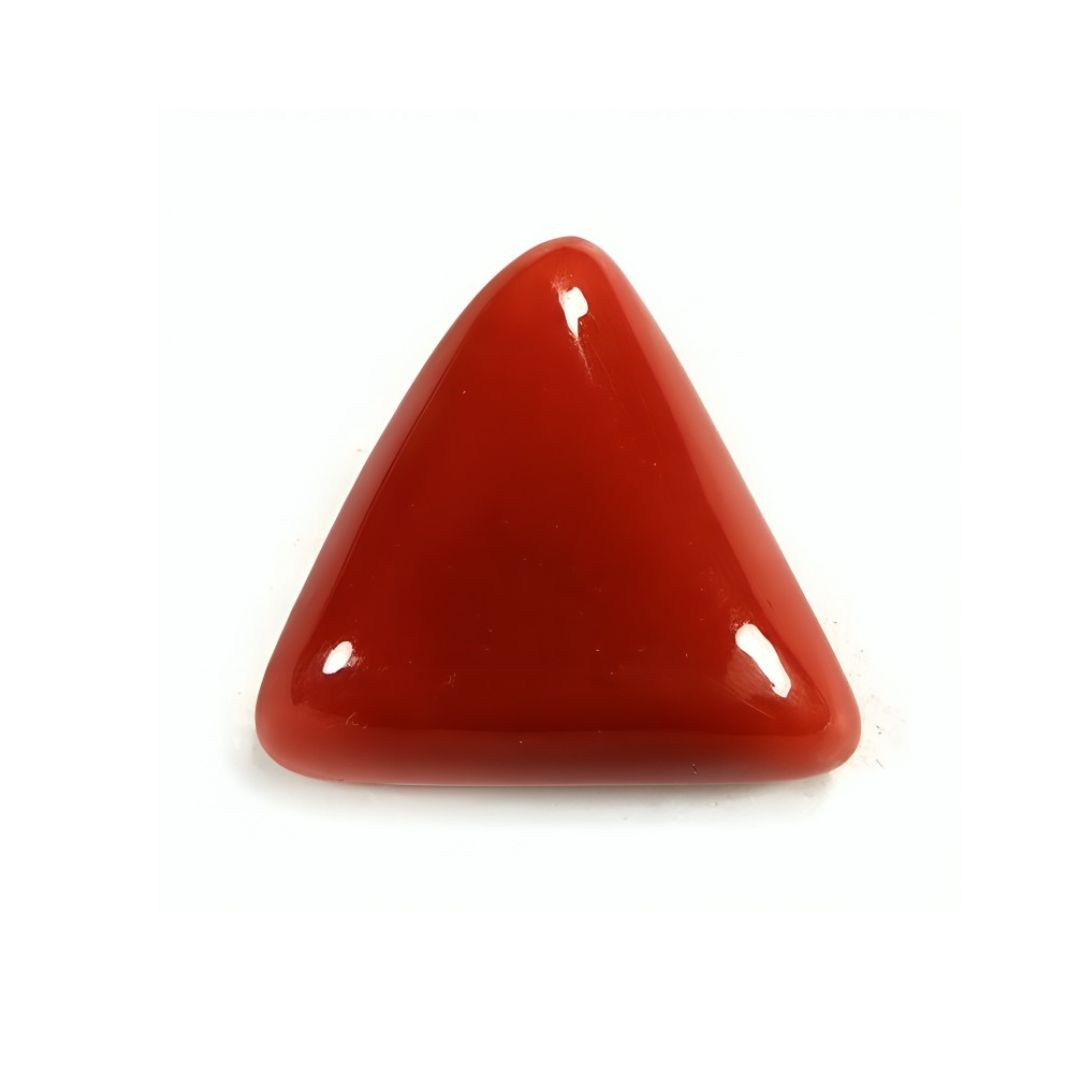
Coral, commonly known as Red Coral or Moonga in the Indian gemstone market, is different from ruby because it is an organic gemstone rather than a mineral crystal. Gem-quality coral is formed from the skeletal remains of marine organisms.
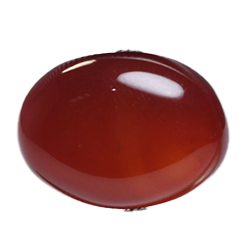
Red Coral is traditionally associated with Mars in Vedic astrology. It is generally recognised by its red to reddish-orange colour and opaque appearance.
Because coral and ruby have very different origins and physical characteristics, they should not be considered interchangeable simply because both can have a red colour.
Ruby Stone vs Coral Stone: Key Differences
The biggest difference is their origin. Ruby is a crystalline mineral, whereas coral is an organic gemstone.
Ruby is usually transparent to translucent, although the degree of transparency varies. Coral is generally opaque and has a comparatively softer structure.
Their appearance also differs. A fine ruby can display strong colour and attractive brilliance, while coral is valued primarily for its rich colour, smooth surface, and natural appearance.
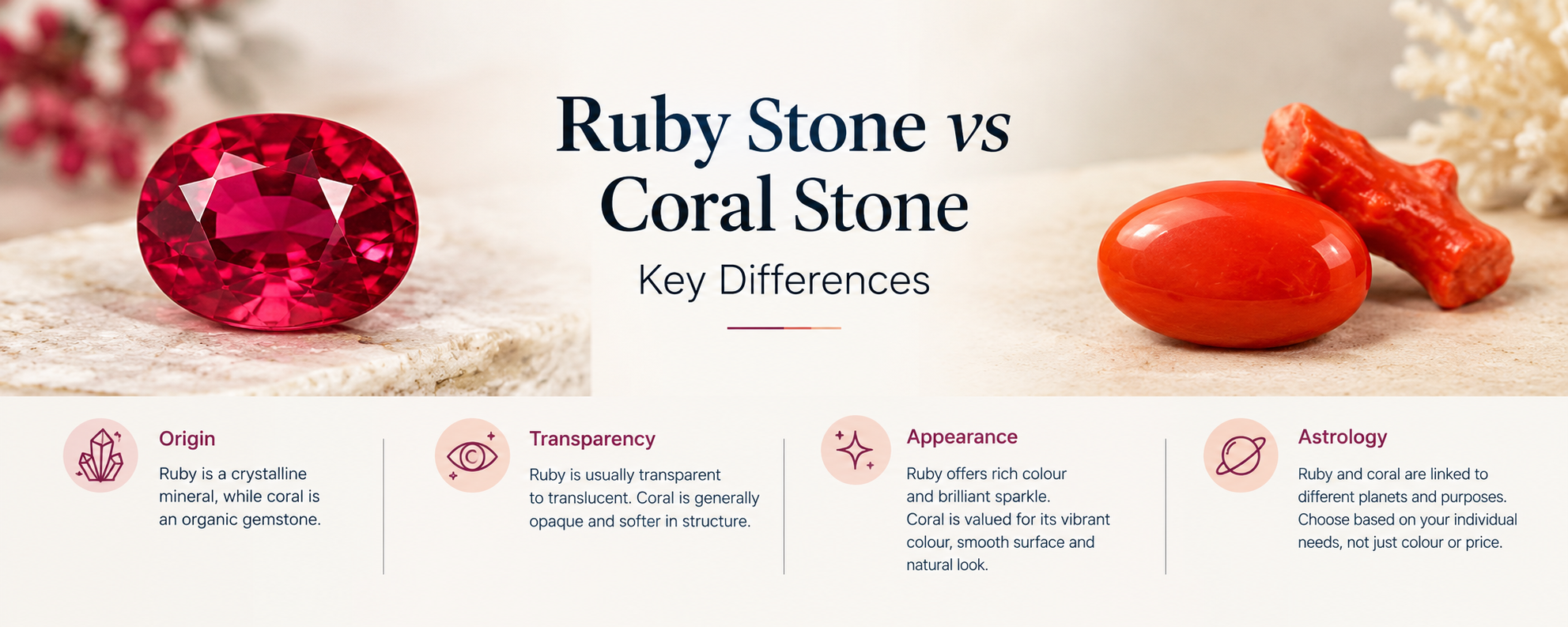
From an astrological perspective, ruby and coral are associated with different planets and are traditionally chosen for different purposes. Anyone purchasing a gemstone specifically for astrology should consider their individual requirements rather than choosing solely based on colour or price.
Ruby Stone and Coral Stone Benefits
In traditional Vedic astrology, gemstones are believed to have planetary associations. Ruby is associated with the Sun and is traditionally believed to support qualities such as confidence, leadership, vitality, and self-expression.
Coral is associated with Mars and is traditionally believed to represent courage, energy, determination, and strength.
These are traditional astrological beliefs, not scientifically established medical or psychological benefits. If you are buying a gemstone for astrological purposes, it is advisable to consult a qualified astrologer.
Ruby Stone Price in India
The price of a ruby can vary significantly depending on factors such as colour, clarity, carat weight, origin, treatment, and whether the stone is natural or synthetic.
A high-quality natural ruby with attractive colour, good transparency, and desirable characteristics can command a substantially higher price than commercial-grade material.
Therefore, there is no single fixed Ruby Stone price in India. Buyers should compare gemstones based on their actual quality and certification rather than choosing solely by weight or appearance.
Coral Stone Price in India
The Coral Stone price in India also depends on several factors, including colour, size, origin, quality, surface characteristics, and whether the coral is natural or treated.
When comparing Coral Stone price, buyers should pay attention to authenticity and certification. A very low price may not necessarily represent better value if the stone’s origin, treatment, or authenticity cannot be established.
Buying Tips for Ruby and Coral
Before purchasing either gemstone, consider these important points:
- Buy from a reputable gemstone dealer with transparent product information.
- Ask whether the gemstone is natural, treated, synthetic, or imitation.
- Request a laboratory certificate for the gemstone, especially for a high-value purchase.
- Compare colour, clarity, weight, origin, and treatment rather than comparing price alone.
- Make sure the certificate details correspond to the actual gemstone you are purchasing.
- For astrological use, choose the gemstone according to your specific requirements rather than simply selecting the most expensive option.
Buy Certified Gemstones from Gem Mines
If you are looking for certified gemstones, Gem Mines deals in certified gemstones and can be considered when exploring options for natural gemstones such as ruby and coral. Buyers should review the individual gemstone’s certification and product details before making a purchase.
Whether you choose a Ruby Stone or Coral Stone, authenticity, quality, and proper certification are important considerations. A gemstone is a long-term purchase, so taking the time to understand its characteristics can help you find a stone that suits both your jewellery preferences and budget.
Final Thoughts
Ruby and Coral are both distinctive gemstones, but they are fundamentally different in origin, appearance, properties, and traditional astrological associations. Ruby is a precious mineral gemstone associated with the Sun, while Coral is an organic gemstone traditionally associated with Mars.
If your priority is jewellery, consider the gemstone’s appearance and durability. If you are purchasing for astrology, consider your individual requirements and seek appropriate guidance. Most importantly, buy from a trustworthy seller and verify certification before making a significant investment.