











 17 Feb 2026
 Gemmines Author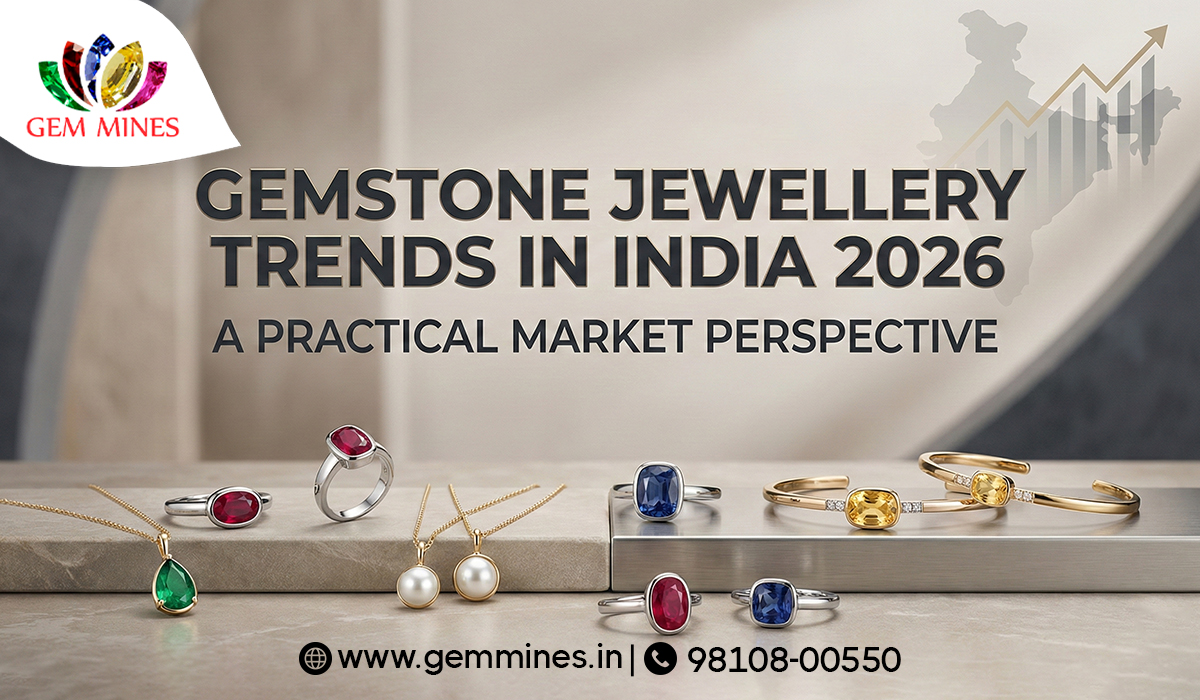
Over the last few years, gemstone jewellery in India has changed quietly but clearly. The shift has not come from fashion houses or seasonal launches. It has come from buyers themselves. People are thinking more before purchasing, asking better questions, and choosing jewellery that fits into their real lives rather than special occasions alone.
By 2026, gemstone jewellery feels more personal and less performative. The focus has moved away from heavy designs meant to impress, toward pieces that are comfortable, meaningful, and worn regularly. This change is not sudden. It is the result of growing awareness about gemstones, authenticity, and long-term value.
These observations come from working closely with natural gemstones, interacting with buyers over time, and seeing how preferences evolve once people gain experience. What follows is a grounded view of how gemstone jewellery trends are shaping today and why they matter.
A More Thoughtful Way of Buying
Earlier, gemstone jewellery purchases were often driven by tradition or occasion. Weddings, family events, and festivals were the main reasons to buy. Jewellery was stored carefully and worn rarely. Design and weight mattered more than comfort or daily relevance.
Today, buyers approach gemstone jewellery differently. Many are purchasing for themselves rather than for family rituals. They want jewellery that can be worn often, not just displayed. The questions they ask have also changed.
There is more interest in:
- where the gemstone comes from
- whether it is natural or treated
- how comfortable it is to wear daily
- whether it suits their lifestyle
This shift has made the market more mature and more transparent. But always wear Gemstone jewellery after consulting an astrologer.
Key Changes in Buyer Behaviour
Certain patterns are now consistent across different age groups and professions.
- Natural gemstones are preferred
Buyers are actively avoiding artificial or heavily treated stones once they understand the difference. - Certification is expected
Government lab reports are no longer seen as optional, these are mandatory now. Many buyers consider them essential. - Long-term value matters more than size
A smaller, certified stone is often preferred over a larger but questionable one. - Comfort has become important
Jewellery that feels heavy or restrictive is avoided, even if it looks impressive. - Emotional relevance influences decisions
People want jewellery that feels personally aligned, not just socially acceptable.
These changes have influenced both gemstone selection and jewellery design.
Gemstones Commonly Chosen in 2026
Certain gemstones continue to be chosen consistently, not because they are trending, but because they suit modern preferences for balance, usability, and longevity.
Pearl
- Chosen for its subtle appearance
- Comfortable for daily wear
- Suitable for people who prefer understated jewellery
Pearl fits well into work and everyday environments without drawing unnecessary attention.
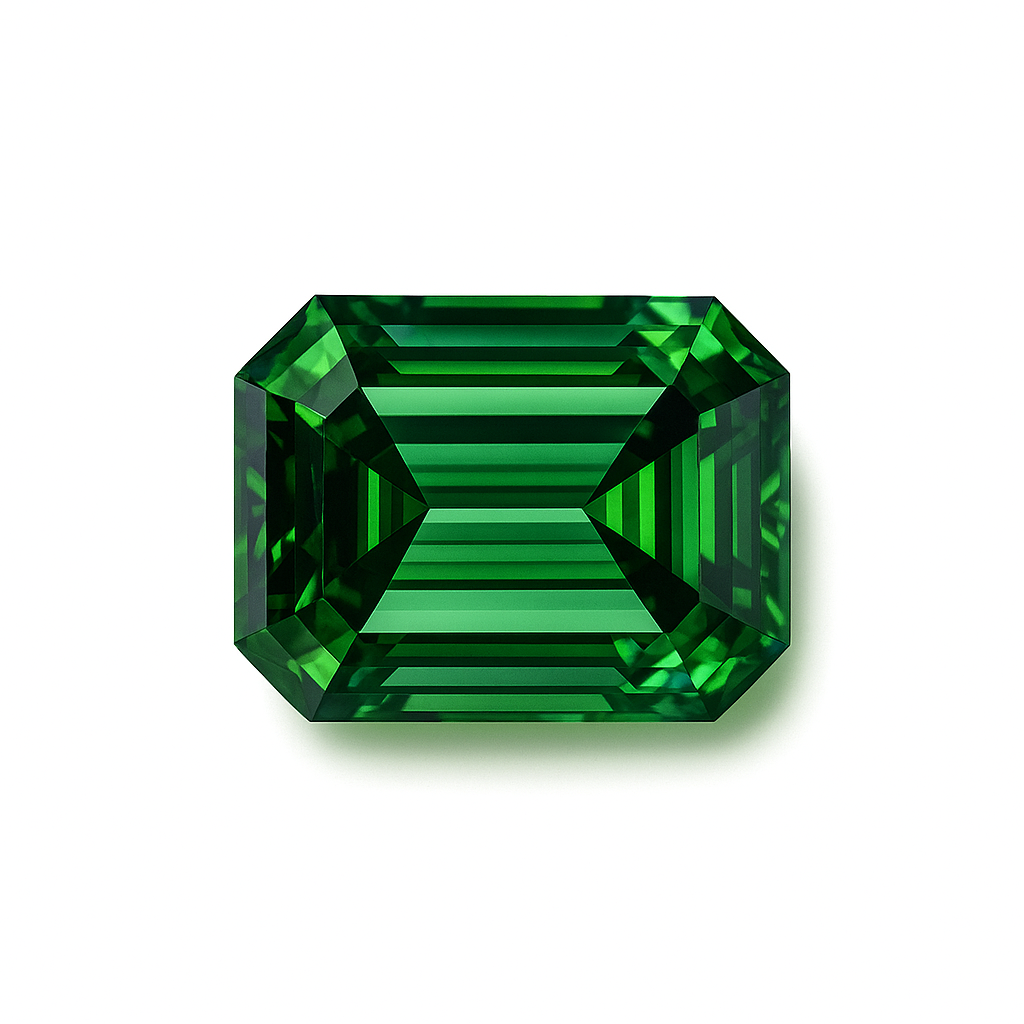
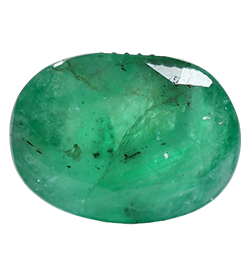
Emerald
- Preferred for its depth and clarity
- Often selected in clean, simple settings
- Chosen by buyers who value refinement over brightness
Emerald jewellery today is lighter and more practical than earlier designs.
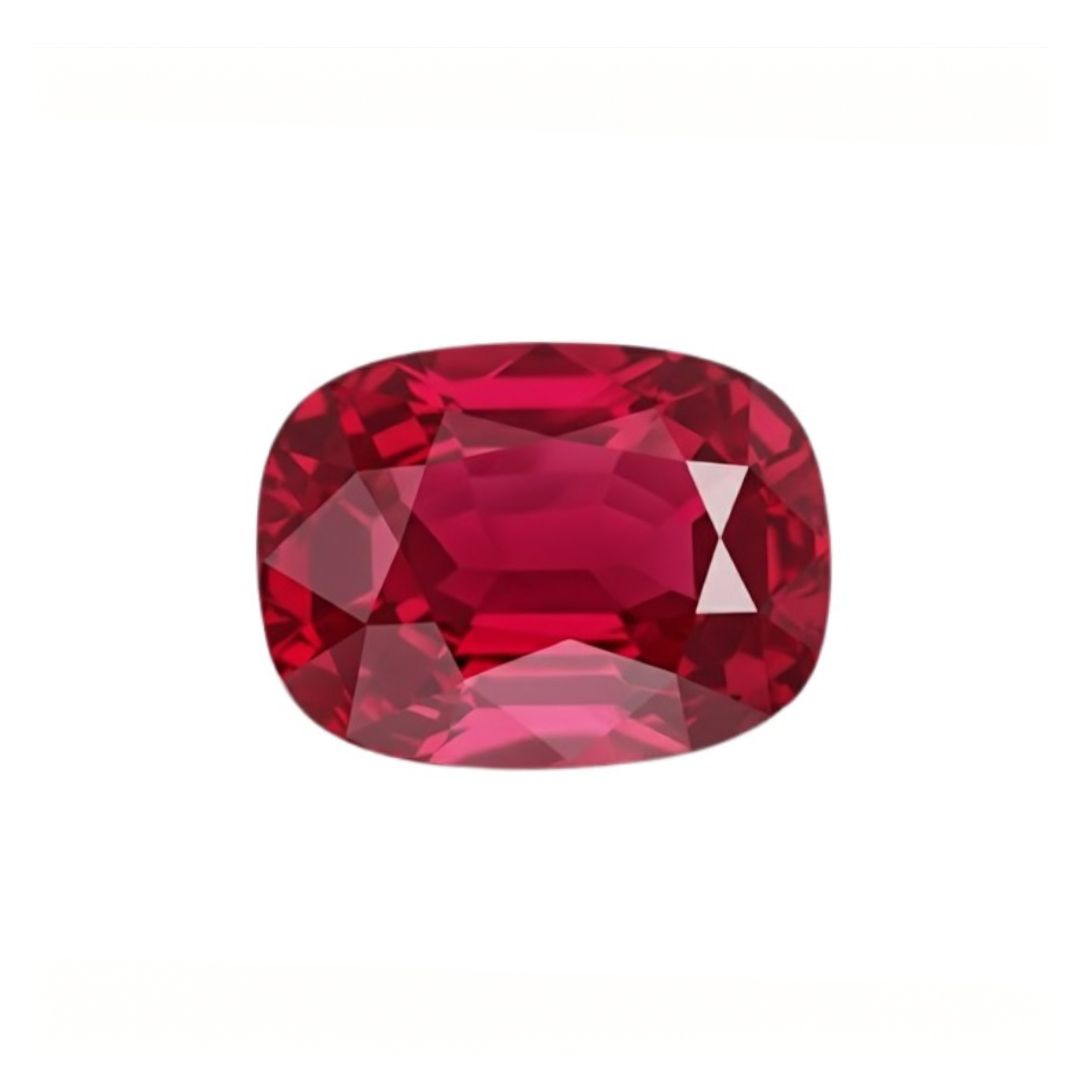
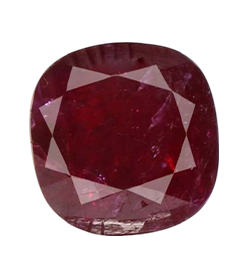
Ruby
- Still valued, but worn differently
- Buyers prefer simpler designs over heavy ceremonial pieces
- Chosen for regular wear rather than rare occasions
Ruby remains relevant, but design preferences have clearly shifted.
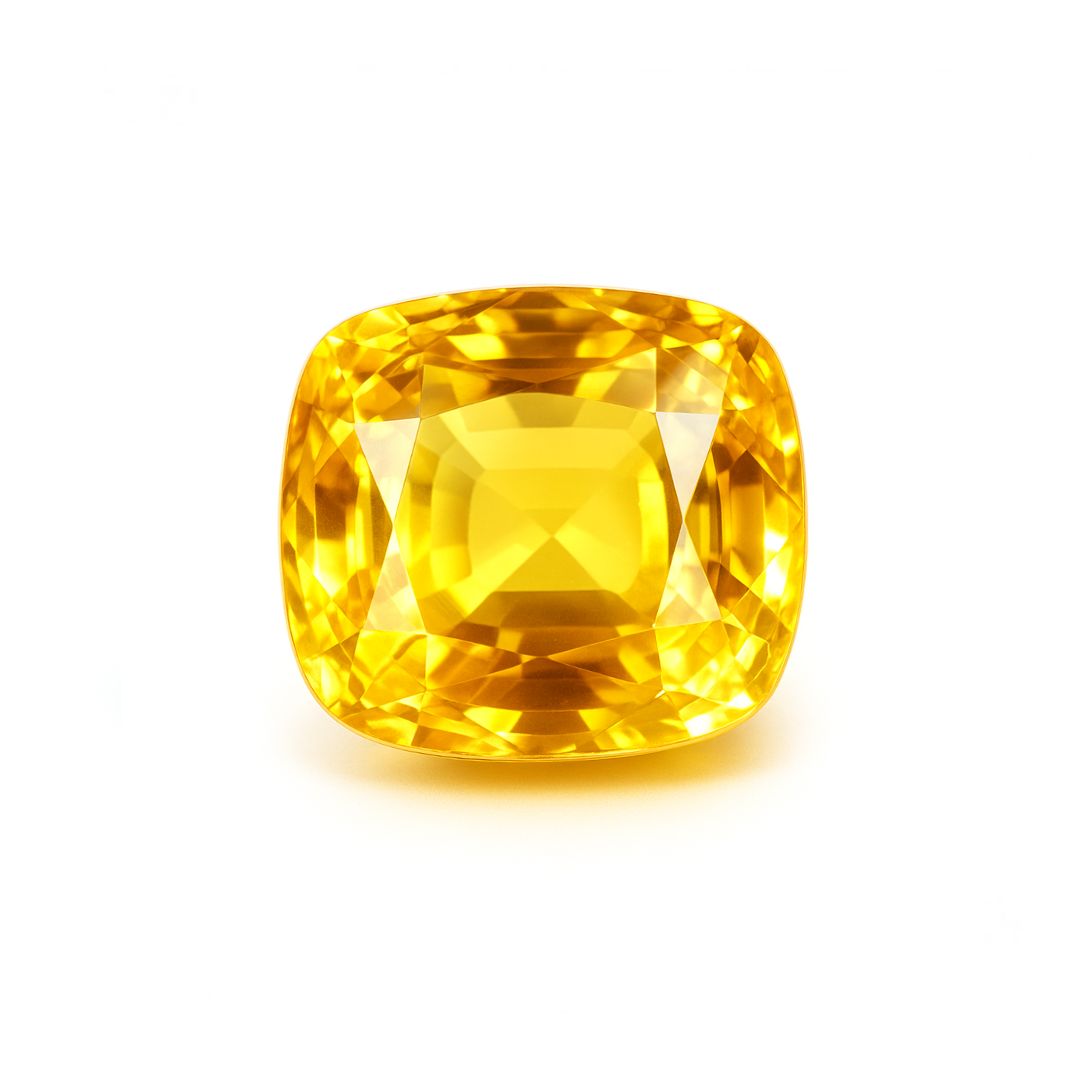
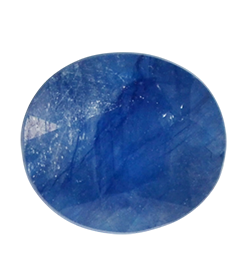
Yellow Sapphire
- Selected carefully and deliberately
- Buyers are more aware of its specific nature
Yellow Sapphire should not be worn without proper astrologer consultation. This understanding has reduced casual or uninformed purchases.
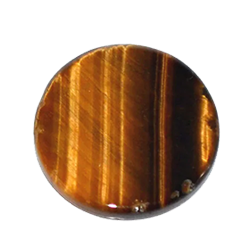
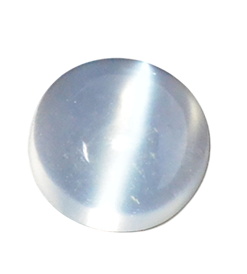
Cat’s Eye
- Approached with caution and respect
- Chosen only with clear intent
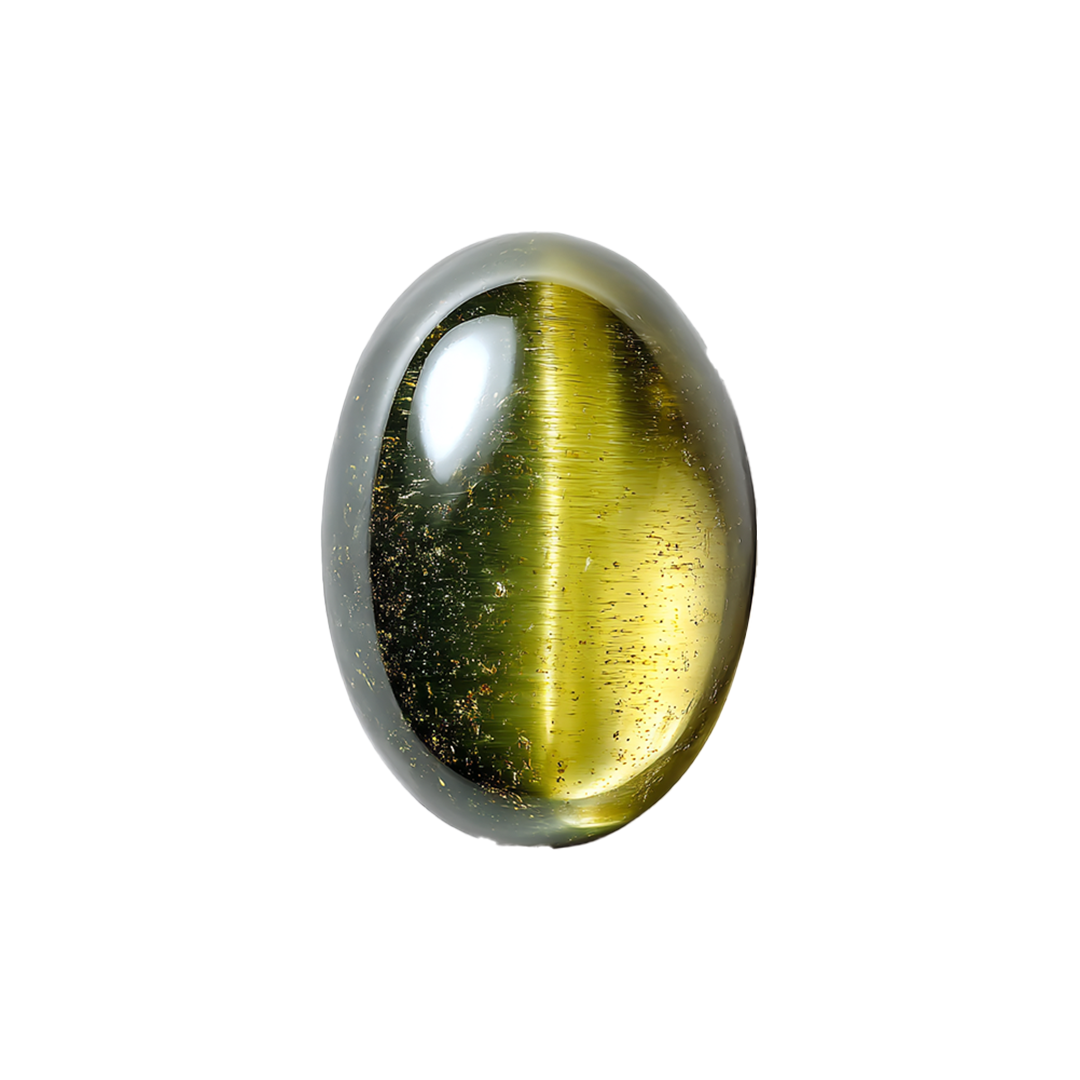
Cat’s Eye should not be worn without proper astrologer consultation. Buyers who select it usually do so after guidance rather than curiosity.
Across all these stones, the common factor is informed choice rather than impulse. For Gemstone jewellery it would be great if you consult an astologer, without his assistance dont wear it.
Design Trends in Gemstone Jewellery
Design has evolved to support daily wear and comfort.
Key design preferences include:
- lighter gold usage
- lower stone height to avoid discomfort
- secure settings that protect the gemstone
- balanced proportions rather than heavy ornamentation
Jewellery is now expected to move with the wearer. Rings should not interfere with work. Pendants should sit comfortably throughout the day. These practical needs have shaped how gemstone jewellery is designed and manufactured.
This does not mean beauty is ignored. Instead, beauty is defined through balance, proportion, and wearability.
From Occasion Jewellery to Daily Wear
One of the most visible changes is how often gemstone jewellery is worn.
- Rings and pendants are now designed for everyday use
- Jewellery is worn to offices, meetings, and travel
- Pieces are chosen to blend naturally into daily routines
Earlier, gemstone jewellery was something people saved for important days. Today, it has become part of daily identity. This has changed how buyers relate to their jewellery. The connection is quieter, but more consistent.
Snapshot of Market Shifts
| Area | What Has Changed | Why It Matters |
| Stone Choice | Preference for certified natural gemstones | Trust and longevity |
| Design | Lighter, simpler jewellery | Comfort and usability |
| Buying Intent | Personal meaning over display | Deeper connection |
Authenticity and Certification
Authenticity has become central to gemstone jewellery decisions. Buyers now clearly distinguish between:
- natural gemstones
- treated stones
- artificial or imitation products
This distinction matters because only natural gemstones offer long-term consistency and value. Treated or artificial stones may look appealing initially, but they do not age or perform the same way.
Government lab certification provides clarity about a gemstone’s nature. It protects buyers and supports informed decision-making. For many, certification is now the starting point, not the final step.
We Gem Mines known for providing 100% natural, government lab-certified gemstones; such sources represent reliability rather than promotion. Trust today is built quietly through transparency.
What These Trends Mean for Buyers
For buyers, these changes encourage a more measured approach.
- Purchasing fewer pieces, but with greater care
- Choosing gemstones that suit lifestyle and temperament
- Avoiding impulse decisions
- Valuing comfort and authenticity over appearance
There is also greater acceptance that not every gemstone is suitable for everyone. This has led to more responsible usage, especially for stones that require guidance. Overall, buying gemstone jewellery has become a slower and more thoughtful process.
Conclusion
Gemstone jewellery trends in India around 2026 are shaped less by fashion and more by awareness. Buyers are informed, careful, and focused on long-term value. Jewellery has become lighter, more personal, and more aligned with everyday living.
Natural, certified gemstones continue to hold relevance because authenticity does not lose meaning over time. When jewellery is chosen thoughtfully and worn comfortably, it remains valuable well beyond any particular year.
These shifts suggest a market that is maturing—one that values clarity, restraint, and genuine connection over display.